
Industrial Dust Collector Malaysia: A Practical Guide for Industrial Facilities
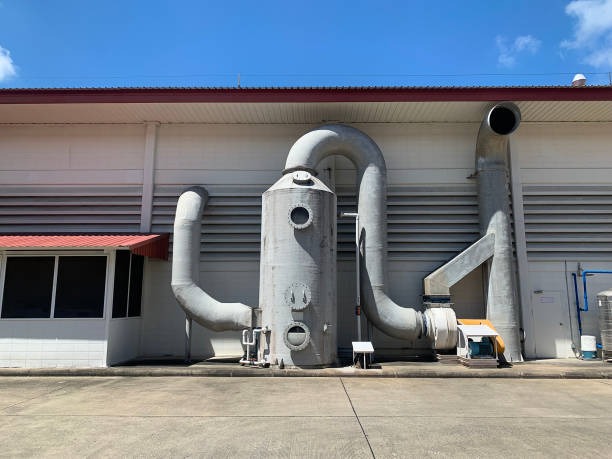
Dust can be generated by manufacturing activities such as cutting, grinding, sanding, machining and material processing. If it is not appropriately controlled, airborne particulate matter can affect workplace cleanliness, equipment and working conditions. An industrial dust collector malaysia system can help capture and separate dust generated during industrial processes.
Selecting suitable equipment requires more than considering the physical size of the collector. Dust characteristics, airflow requirements, filtration, collection points, facility layout and maintenance needs should all be evaluated before a system is installed.
Understanding Industrial Dust Collection
Industrial dust collectors draw contaminated air from designated areas and pass it through a filtration or separation system. Captured particles are collected for appropriate handling, while treated air is managed according to the system design and applicable requirements.
Businesses evaluating an industrial dust collector malaysia should begin by identifying where dust is generated and the characteristics of the material involved. This information helps determine suitable collection methods, filtration requirements and equipment capacity.
A site assessment can also identify potential collection points and practical installation constraints.
Identify the Type of Dust
Not all industrial dust has the same characteristics. Particle size, concentration, moisture content and material composition can influence how effectively a collection system operates.
Dust from metalworking, woodworking or other manufacturing processes may require different approaches. Certain combustible or otherwise hazardous dusts can present additional risks and require specialised assessment, equipment and controls.
Businesses should understand the materials produced by their processes before selecting collection equipment.
Determine Airflow Requirements
Airflow is an important consideration when choosing an industrial dust collector malaysia solution. A system needs sufficient capacity to capture contaminants at their source and transport them through the ducting to the collector.
However, simply choosing the highest airflow rating may not produce the best result. Duct dimensions, bends, collection hoods and pressure losses throughout the system can affect performance.
Engineering calculations and equipment specifications should therefore be considered when determining appropriate capacity.
Consider Filtration Performance
Filters play a central role in many dust collection systems. The appropriate filtration method depends on particle characteristics, operating conditions and required air quality.
Businesses should review filter specifications, replacement intervals and cleaning procedures. Filter accessibility also matters because difficult maintenance can increase downtime and make routine servicing less convenient.
Monitoring pressure or other relevant indicators may help identify when filters require attention, depending on the equipment design.
Plan Collection Points and Ductwork
Capturing dust close to where it is generated can form an important part of an effective system. Collection hoods and extraction points should therefore be positioned according to the manufacturing process.
Ductwork should also be planned carefully. Poor routing or unsuitable dimensions may reduce system efficiency and affect dust transport.
Facility layout, available space and future production changes should be considered during the design stage.
Include Safety in System Planning
Industrial dust management can involve workplace and fire-safety considerations. Businesses should assess the properties of collected material and follow applicable occupational safety, environmental and fire requirements.
Employees responsible for operating or maintaining the equipment should receive appropriate instructions and understand relevant procedures.
Establish Routine Maintenance
Regular maintenance helps keep a dust collection system operating as intended. Inspections may include filters, collection containers, ducting, seals, motors and other components specified by the manufacturer.
Unexpected changes in suction, noise or dust accumulation should be investigated rather than ignored.
Evaluate Supplier and Technical Support
When sourcing an industrial dust collector malaysia, businesses can compare equipment specifications, spare-part availability, technical documentation, installation support and maintenance requirements. Long-term operating costs should be considered alongside the initial purchase price.
Conclusion
An industrial dust collector can support cleaner and better-controlled manufacturing environments by capturing particulate matter generated during production. Selecting an appropriate system requires careful consideration of dust characteristics, airflow, filtration, ductwork, safety and maintenance. A properly planned collection system can become an effective component of broader industrial housekeeping and workplace-control practices.
For more on the subject, see Industrial Electronics Supplier Malaysia: Powering Smarter Industry.