
Anti Colic Bottle: Understanding How It Supports Comfortable Feeding
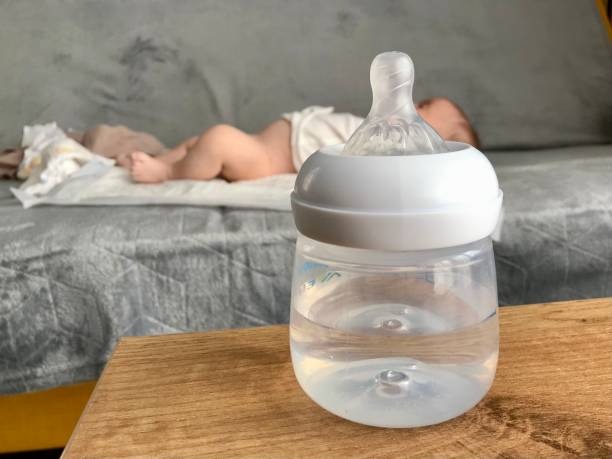
Feeding time is an important opportunity for babies to receive nourishment and bond with their caregivers. However, some infants may swallow excess air while feeding, which can contribute to discomfort, gas, or fussiness afterward. An anti colic bottle is designed to help minimise air intake during feeding, supporting a more comfortable experience for both babies and parents.
With various bottle designs available, understanding how anti-colic technology works can help parents choose a feeding solution that suits their baby’s needs.
What Is an Anti Colic Bottle?
An anti-colic bottle is specially designed to reduce the amount of air a baby swallows while feeding. Many models include built-in venting systems, specially shaped nipples, or other features that encourage a smoother flow of milk while reducing the formation of air bubbles inside the bottle.
Parents interested in choosing an anti colic bottle can learn how these feeding bottles are designed to support a more comfortable feeding routine while maintaining a natural feeding experience.
How Anti-Colic Bottles Work
Traditional feeding bottles may allow air to mix with milk during feeding. As babies swallow this air, it can contribute to bloating or temporary feeding discomfort.
Anti-colic bottles are designed to minimise this issue by:
- Reducing the amount of air entering the milk
- Providing a more consistent milk flow
- Supporting a comfortable latch during feeding
- Helping maintain a steady feeding pace
- Minimising air bubbles inside the bottle
These design features work together to create a smoother feeding experience without interrupting the baby’s natural feeding rhythm.
Benefits of Using an Anti-Colic Bottle
An anti-colic bottle offers several potential advantages for daily feeding routines, including:
- Reduced air intake during feeding
- More comfortable feeding sessions
- Improved milk flow consistency
- Easy handling for parents and caregivers
- Compatibility with different feeding stages
Every baby is unique, so parents may wish to observe how their child responds to different bottle designs and nipple flow rates.
Choosing the Right Feeding Bottle
When selecting a feeding bottle, parents should consider factors such as the baby’s age, nipple flow rate, bottle size, ease of cleaning, and the overall bottle design. High-quality materials and well-designed venting systems can contribute to a more convenient feeding routine while supporting hygiene and durability.
It is also helpful to follow the manufacturer’s recommendations regarding bottle assembly, cleaning, and sterilisation to ensure safe and effective use.
Conclusion
Choosing the right anti colic bottle can help create a more comfortable feeding experience by reducing air intake and promoting a smoother milk flow. With thoughtful design features and proper feeding practices, parents can support their baby’s feeding routine while making mealtimes more comfortable and enjoyable for both baby and caregiver.