
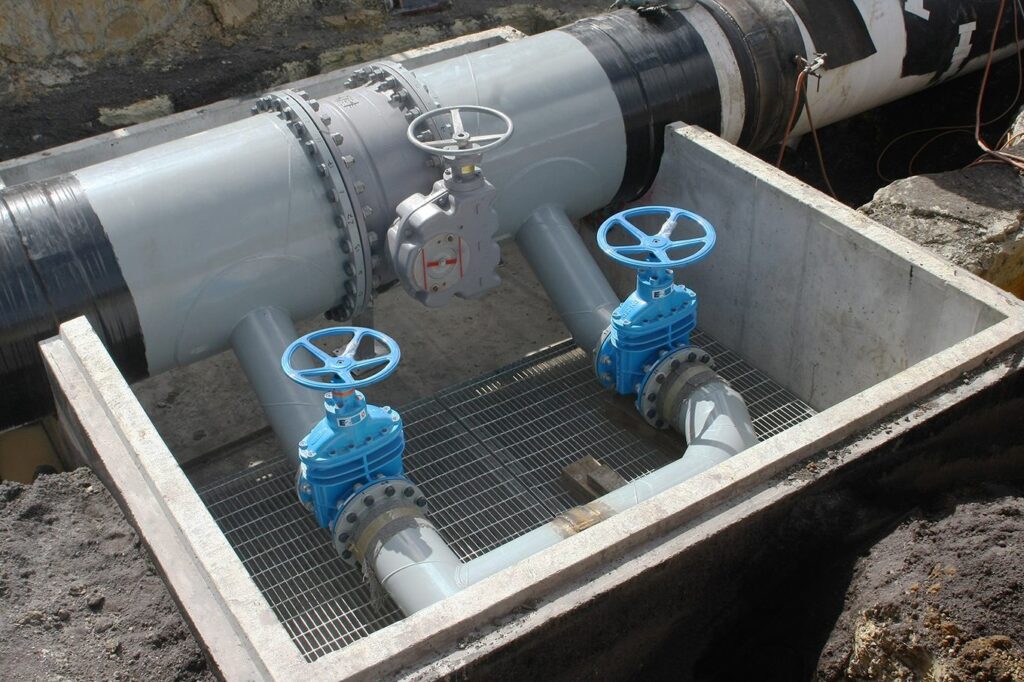
A valve chamber is a critical infrastructure component in water distribution, sewage systems, irrigation networks and other fluid pipeline installations. It serves as a secure, accessible underground enclosure that houses control valves, meters and other pipeline hardware. By providing safe access to these elements, a valve chamber enables efficient operation, routine inspection and maintenance while protecting sensitive components from environmental exposure and damage.
Many contractors and project planners source quality solutions such as the valve chamber precast concrete units, which are designed to meet industry standards and deliver long-lasting performance. Understanding how valve chambers work and where they are applied can help infrastructure teams make informed decisions for system reliability.
What Is a Valve Chamber?
A valve chamber is essentially an engineered enclosure installed below ground that provides a structured space around pipeline valves and related equipment. These chambers are typically constructed from durable materials like precast concrete, polymer concrete or reinforced composites, which protect internal components from soil pressure, moisture and load stresses while ensuring easy access for technicians.
Inside the chamber, operators can reach essential control valves, flow meters, sample points and other monitoring devices without disturbing the surrounding environment. By creating a protected and accessible space, valve chambers simplify operational tasks that would otherwise require digging or disruptive excavation.
Key Benefits of Installing Valve Chambers
One of the primary advantages of a valve chamber is its ability to centralise access to critical pipeline components. Technicians can open, close or adjust valves directly from within the chamber, reducing the need for surface disruption or temporary shutdowns. This is especially important in large utility systems where maintaining continuous service is essential.
Another benefit is the protection valve chambers offer. Underground enclosures shield equipment from weather, UV exposure, accidental impacts and corrosion, which extends component life and reduces maintenance costs. Additionally, precast units ensure consistent quality and structural integrity — important for long-term infrastructure performance.
Where Valve Chambers Are Commonly Used
A valve chamber plays a central role in a variety of fluid systems. In potable water networks, valve chambers provide access to isolation valves that control flow between zones, enabling maintenance or emergency shut-offs without affecting the entire system. In wastewater and stormwater systems, chambers allow access to control gates and monitoring equipment that regulate flows and manage system pressures.
Irrigation systems in agricultural or landscape applications also utilise valve chambers to house control valves that distribute water to different zones. By locating these controls below ground, operators can maintain a cleaner, more protected environment that supports efficient water management.
Choosing the Right Valve Chamber for Your Project
Selecting an appropriate valve chamber involves evaluating several factors such as load requirements, site conditions and access needs. Precast concrete chambers, for example, offer high durability and load-bearing capacity, making them suitable for road crossings or heavy-traffic areas. Material choice and structural design influence long-term performance, installation ease and maintenance efficiency.
It’s also important to consider the size of the chamber relative to the number and size of components it will house. Proper sizing ensures technicians can move freely within the chamber, perform adjustments, and conduct inspections safely and effectively.
Conclusion
In summary, a valve chamber is an indispensable component of modern pipeline systems, providing accessible and protected environments for critical control equipment. By choosing durable materials and well-designed chambers, infrastructure teams can improve operational efficiency, reduce maintenance challenges and protect valuable hardware from environmental stressors. Whether used in water distribution, sewage management or irrigation networks, valve chambers support seamless system control and long-term reliability.